

Design and Construction Report staff writer
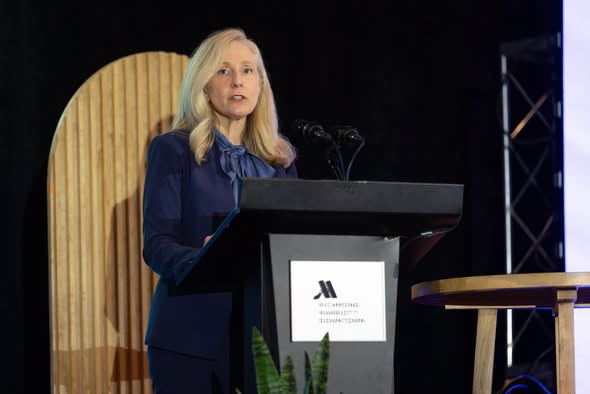
Virginia Gov. Abigail Spanberger is urging the Trump administration to abandon a proposal to rescind the Roadless Area Conservation Rule, which restricts road construction and other development in nearly 400,000 acres of national forests in the state.
In a letter to U.S. Secretary of Agriculture Brooke Rollins, Spanberger said repealing the 2001 rule would threaten drinking water supplies, wildlife habitats and Virginia’s outdoor recreation economy.
“The Roadless Rule is critical to protecting sensitive wildlife habitat, water quality and drinking water supplies, as well as Virginia’s outdoor recreation economy,” said Governor Abigail Spanberger. “The repeal of the Roadless Rule would open the door to further fragmentation of our forest areas, harming these ecological core habitats, and disrupting important wildlife corridors and migratory patterns.”
Spanberger urged the U.S. Department of Agriculture to reconsider the proposal.
“The current Roadless Rule works, and I ask that the USDA reconsider this rescission proposal and maintain the Roadless Rule,” she said.
Established in 2001, the Roadless Rule designates specific areas within the National Forest System as inventoried roadless areas, limiting the construction of new roads and other impacts. Nearly 45 million acres of forests across the United States are designated as roadless areas.
The proposed rescission would remove protections from 84 per cent of Virginia’s roadless areas, according to U.S. Rep. Don Beyer. The affected lands include areas within the George Washington and Jefferson national forests.
“For 25 years, the Roadless Rule has helped safeguard hundreds of thousands of acres of Virginia’s forests, protecting clean drinking water, supporting local economies, preserving wildlife habitats and migration corridors, and ensuring opportunities for outdoor recreation,” said U.S. Senator Mark Warner.
“The Trump administration’s proposal to roll back these protections would open the door to road construction and logging, threatening irreversible damage to Virginia’s forests, ecosystems, and wildlife. It’s important that we preserve these longstanding protections for the wildlife, communities, businesses, and families who depend on healthy forests.”
U.S. Sen. Tim Kaine also opposed the proposed repeal, citing its potential effects on national forests and communities that depend on tourism and outdoor recreation.
“The Roadless Rule has protected nearly 45 million acres of public land, including nearly 400,000 acres in Virginia, since it was finalized,” Kaine said. “I strongly oppose the Trump-Vance Administration’s rollback of this rule, which would open the door to more development and increased logging in our national forests. I’ll keep working with Governor Spanberger and others in the delegation to protect our roadless areas, which support outdoor recreation, tourism, and local economic growth in communities across the country.”
U.S. Rep. Bobby Scott said the proposed repeal threatens public lands and the resources they provide.
“These protections are critical to preserving clean drinking water, protecting wildlife habitats, and ensuring future generations can enjoy our nation’s natural treasures,” Scott said. “We should be protecting these invaluable resources, not opening them up to development and exploitation.”
Beyer said removing the protections could expose forests to road construction, logging and other industrial development, potentially affecting water quality, wildlife habitats and wildfire risks.
“There is no good reason to roll back 25 years of protections and put these resources at risk, and the USDA proposal would do substantial harm,” Beyer said. “I will continue working with leaders from across the Commonwealth to keep Virginia’s forests protected for generations to come.”
U.S. Rep. Jennifer McClellan said Virginia has more protected national forest land under the rule than any other state east of the Mississippi River.
“The Roadless Area Conservation Rule protects nearly 400,000 acres of national forest lands in Virginia, more than any other state east of the Mississippi River,” McClellan said. “Opening these lands to construction and development will degrade water quality, harm biodiversity and devastate local economies that depend on outdoor recreation and tourism.”
U.S. Rep. Eugene Vindman, the only Virginian serving on the House Agriculture Committee, said the protections are particularly important to rural communities.
“Rescinding the Roadless Rule would put hundreds of thousands of acres of Virginia’s forests at risk, threatening clean drinking water, wildlife habitats, and the outdoor recreation and tourism that support our local economies,” Vindman said. “As the only Virginian on the House Agriculture Committee, I know how important these protections are to our rural communities and the families who depend on them. I thank Governor Spanberger for urging Secretary Rollins to abandon this reckless proposal and preserve these critical safeguards for future generations.”
U.S. Rep. Suhas Subramanyam emphasized the long-term consequences of damaging public lands.
“Once we pave or damage public lands, we can never get them back,” Subramanyam said. “The Roadless Rule protects clean water, wildlife, and some of America’s most untouched places. It gives future generations the chance to experience them too. We have a responsibility to keep the Roadless Rule in place and protect these irreplaceable places for all Americans.”
U.S. Rep. James Walkinshaw also backed Spanberger’s opposition, pointing to the forests’ role in supporting local businesses and recreation.
“Virginia’s national forests protect the clean water we drink, give families trails to explore together, and support jobs at local outfitters, restaurants, and lodging businesses,” Walkinshaw said. “The Trump Administration’s proposal to repeal the Roadless Rule threatens our drinking water, wildlife habitat, and the livelihoods that depend on healthy forests. I stand with Governor Spanberger in urging Secretary Rollins to abandon this proposal and preserve these protections for future generations.”
Warner, Kaine, Scott, Beyer, McClellan, Vindman, Subramanyam and Walkinshaw have all opposed the proposal to rescind the rule.
Here is the letter:
Dear Secretary Rollins:
On behalf of the Commonwealth of Virginia, I write to urge the U.S. Department of Agriculture to abandon its proposal to rescind the 2001 Roadless Area Conservation Rule (“Roadless Rule”). This is an issue of significant importance to the Commonwealth, which is why, as a member of Congress, I co-sponsored the Roadless Area Conservation Act of 2021, which sought to codify the Roadless Rule. The Roadless Rule applies to nearly 400,000 acres in the Commonwealth and is among the most consequential measures taken at the federal level to conserve our natural resources. The Roadless Rule is critical to protecting sensitive wildlife habitat, water quality and drinking water supplies, as well as Virginia’s outdoor recreation economy.
Virginia’s Department of Conservation and Recreation has identified 103 Natural Heritage Conservation Sites within the current national forest roadless areas. Of these, 32 are considered essential to the long-term persistence of their associated species and 57 have high to outstanding biodiversity significance. In addition, the present national forest roadless areas contain the greatest share of the highest quality “ecological core” habitats in Virginia. Ecological cores are defined as large, unfragmented areas of natural land containing at least 100 contiguous acres of interior habitat. The repeal of the Roadless Rule would open the door to further fragmentation of our forest areas, harming these ecological core habitats and disrupting important wildlife corridors and migratory patterns.
Notably, forestry is a key driver of Virginia’s economy as our third largest private industry, and federal lands protected by the Roadless Rule comprise a small amount of Virginia’s working forestland, with minimal commercial logging activity. Virginia’s Department of Forestry has successfully worked alongside federal partners to ensure forest health and fire safety on these lands under the Roadless Rule, and we wish to see that shared stewardship continue.
The current Roadless Rule works, and I ask that the USDA reconsider this rescission proposal and maintain the Roadless Rule.

